About Crown Analytical Services
Your Cotton Tissue and Nutrition Testing Specialists
Who we are
Since 2008 CAS have been helping growers reduce the economic damage from soil borne diseases by measuring, mapping and managing the inoculum and symptoms. Additionally we deliver plant pathology and nutrient farming system solutions to these problems.
- Which rotation crops are the most effective to reduce various inoculum levels?
- Which rotations crops are the most water-use efficient?
- What is the Nitrogen and Potassium status of my irrigated cotton crop?
- What Wheat varieties have the best tolerance to Crown Rot
- How effective is Victrato at protecting the yield of the new and emerging varieties.
Fun Facts
34%
Cotton growers believe they're suffering 20-40% Yield loss from Verticillium
(source RWI survey)
$1.71B
$1.71 billion annual grain losses from soil-borne disease
(source GRDC)
15%
15% average wheat yield protected by using Victrato
(2025 CAS CR tolerance trial at Croppa Ck)
4 Years
4 years is a common gap between cotton crops in S NSW due to the build up of Black Root Rot
Our Team
Our dedicated team of agronomists works hard to give you the tools to protect your crops.
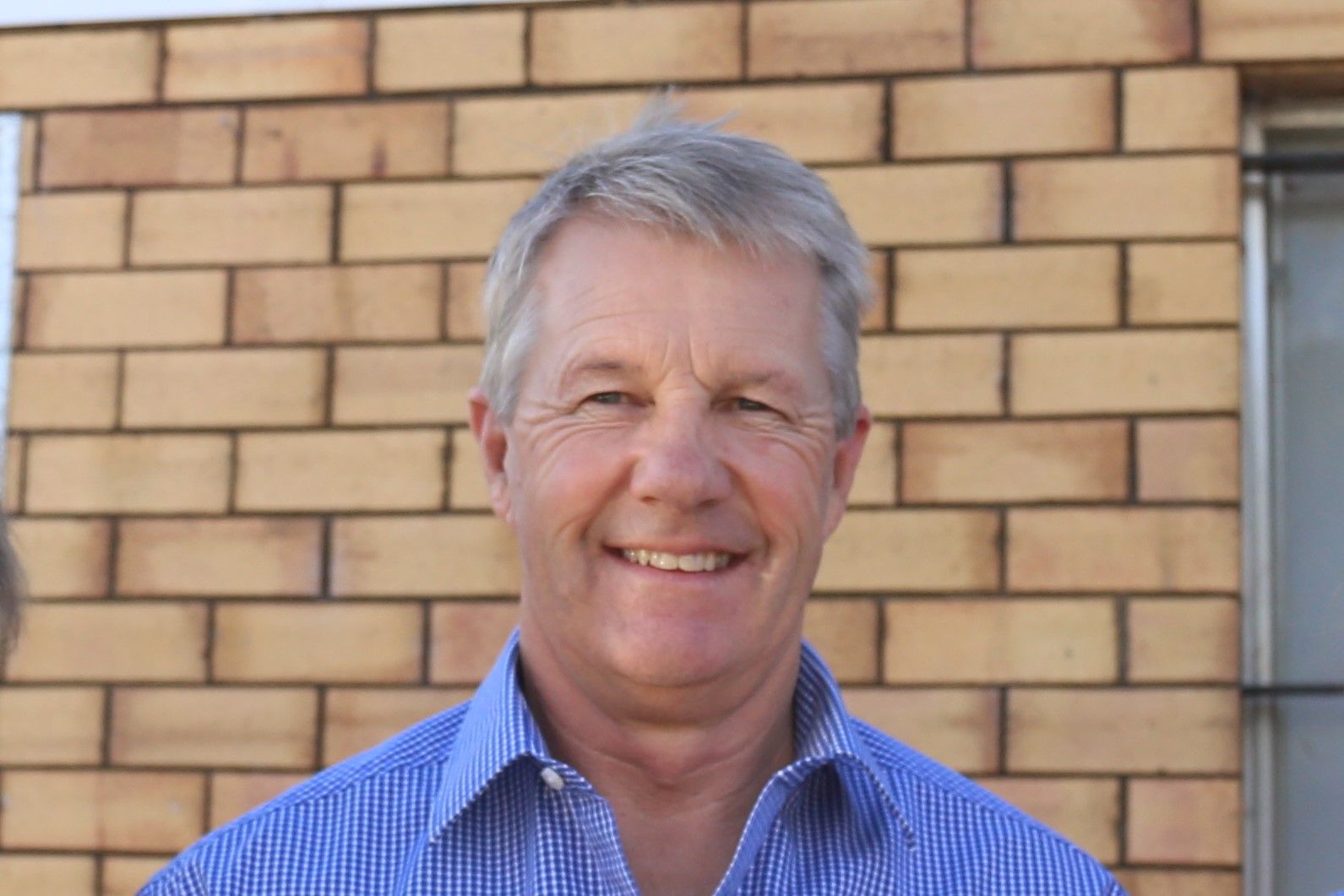
Rob is an experienced agronomist who has been working with farmers in Northern NSW for over 40 years. He has extensive knowledge of farming systems and the impact of plant pathogens on crop performance. He started CAS in 2008 to provide a user friendly service to farmers and consultants to assist in understanding and managing plant disease, starting with Crown Rot and Root Lesion Nematodes. Rob graduated with an Ag Science degree from Sydney University, as well as a post-doc certificate in Cotton Production from UNE. In recent years, Rob has been the driving force behind using DNA to map and measure the inoculum of cotton soil-borne diseases such as Verticillium and Black Root Rot.
In addition to his agronomy work, Rob has chaired management boards for groups such as Northern Grower Alliance, Wheat Research Foundation and Rimanui Farms.
Position
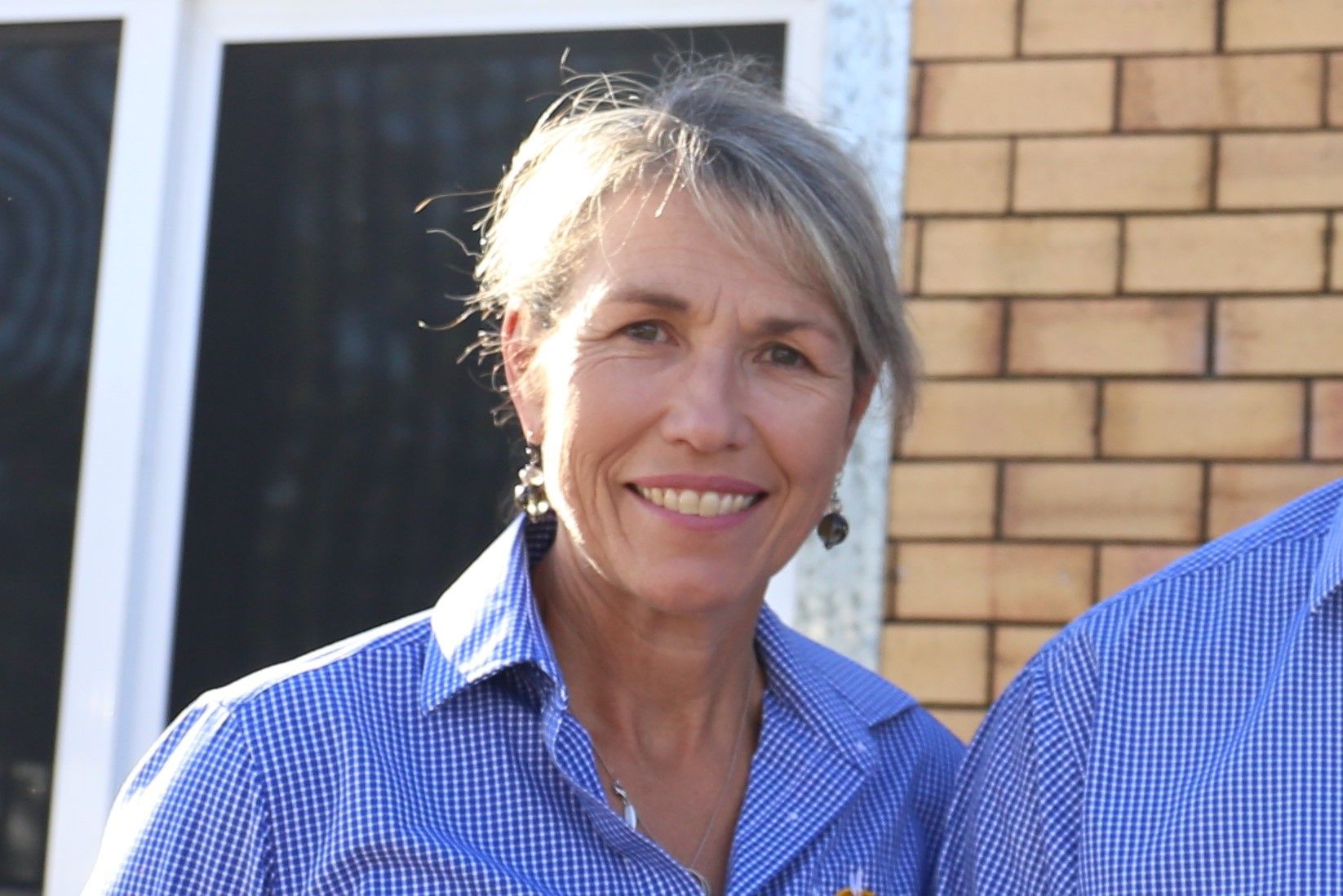
Susie is a qualified property valuer who worked with the as a State Bank of NSW and Tremain Prowse (Opteon Group). Additionally she worked for Colly Farms in Grower Services Administration managing cotton contracts and grower finance. Her current role is as the Chief Administrative Officer with CAS. Susie also oversees the nutrient lab during busy summers to assist with cotton petiole and leaf blade testing. Susie graduated from Hawkesbury Ag College (now University of Western Sydney) with a Bachelor of Business (Land Econ.)
Position
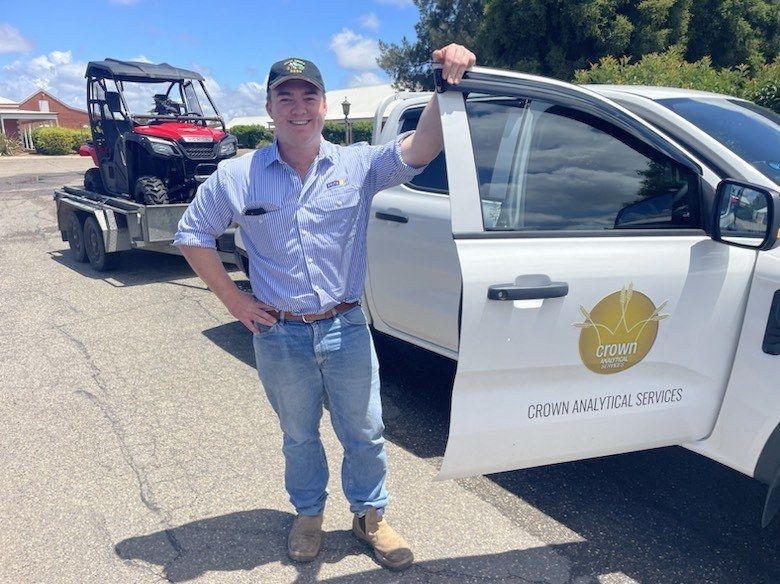
Jake joined our team as our Digital Agronomist in 2023 after completing his studies at UQ (Gatton Campus). Initially based in Griffith NSW, Jake serviced our growers & consultants throughout the Southern Region. He has recently re-located to Goondiwindi QLD. He is involved with soil disease testing, data management & mapping, particularly in the precision ag aspect of cotton disease. Jake is proficient with the PCT and QGIS platforms and has been instrumental in developing systems to measure the relationship between pre-plant inoculum populations and the resultant cotton yield.
Position
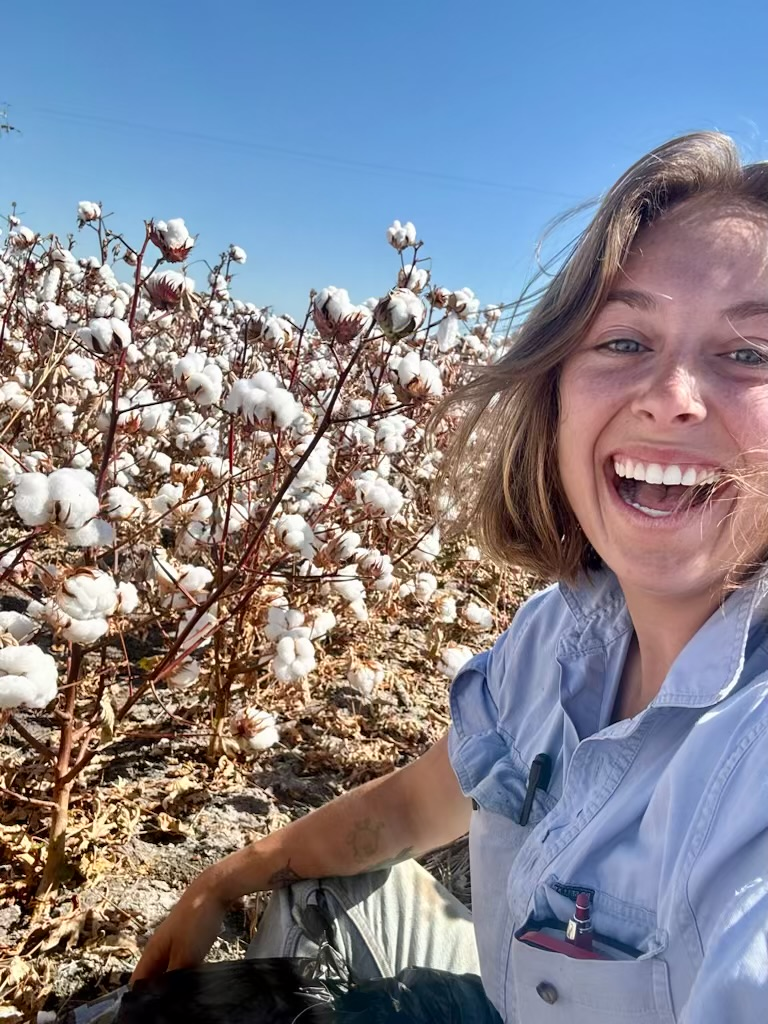
Judith joined Crown in 2024 after completing her Masters of Ag Science degree at Sydney University, specializing in spatial agronomy. Judith’s role is as our Research Agronomist including managing projects and trials within the Richard Williams Cotton Disease research initiative. Judith is very enthusiastic about soils and enjoys exploring options to enhance their sustainable productivity. Judith has recently moved to Gunnedah and is well located to service the Namoi and Macquarie Valleys.
Position
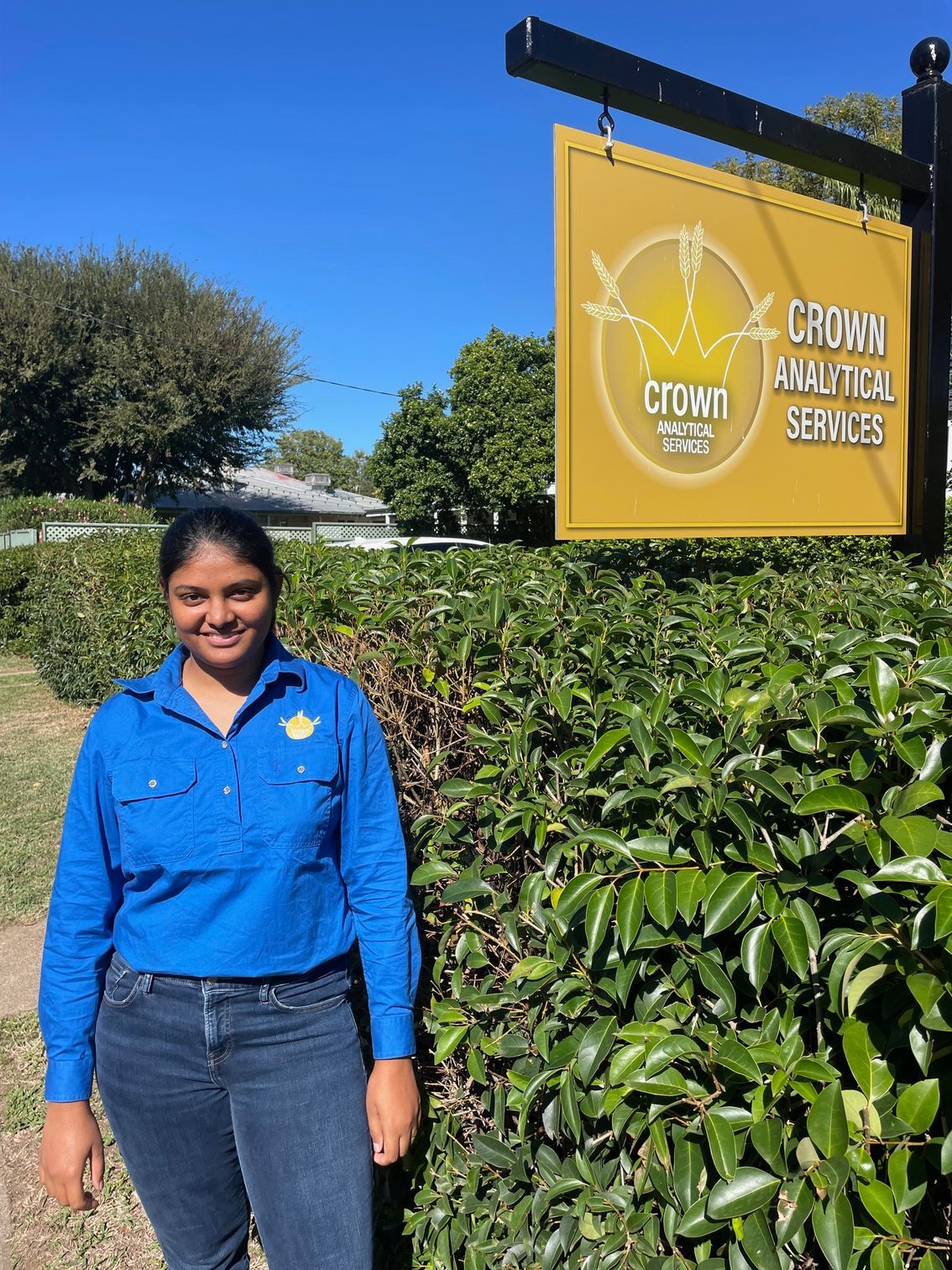
Rebecca has been with Crown since 2023, based in Moree. With a degree in Agricultural Science, and a background in genetics and plant breeding, she brings excellent experience to the role. She focuses on PCT and QGIS data analysis and reporting to support on-farm decision making. From creating sampling maps, yield maps and data interpolation she loves being involved in all aspects of the process. She is passionate about making a real difference and helping clients get the best results from their crops. Having recently returned from maternity leave, Rebecca will pursue a cotton research PhD with UniSQ investigating the suitability of Faba Beans in the cotton farming system.
Position
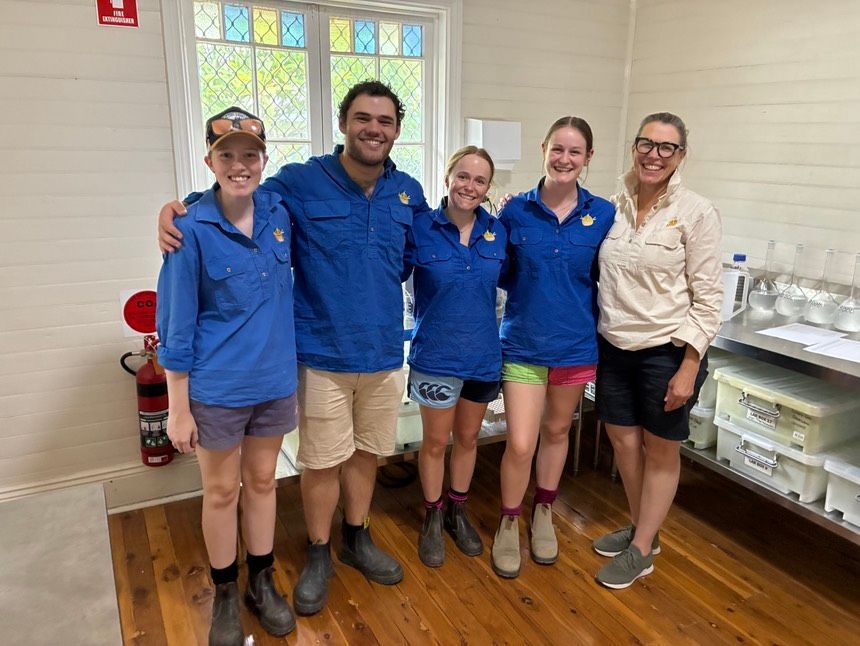
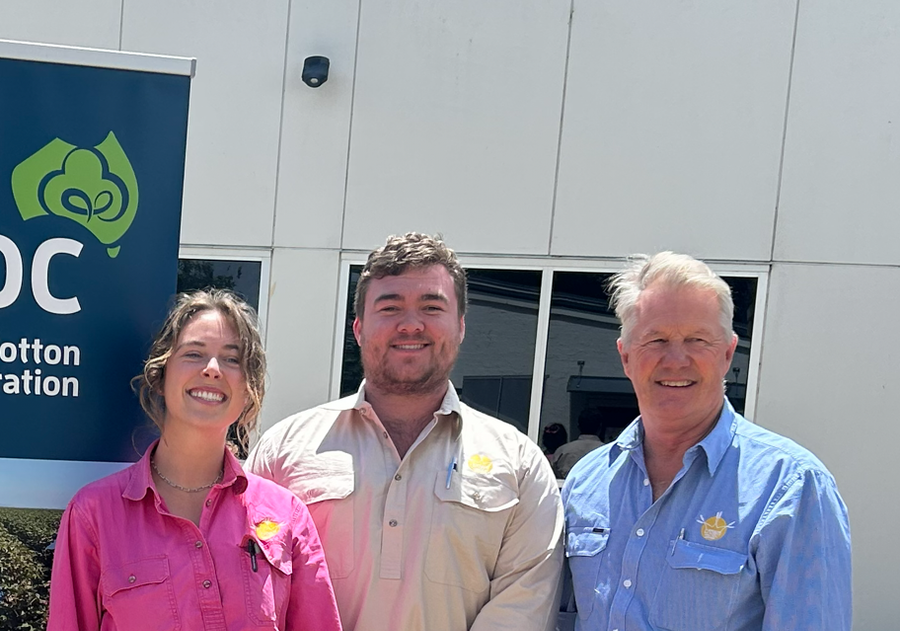
Every summer a small team of dedicated Uni students form the Petiole Testing team to provide rapid turnaround N and K readings for cotton growers and their consultants to make important crop nutrition decisions. In 2025/26 Lucy, Ezekiel, Arrabella and Katie worked with Susie to make up that team.
Position
Our Values
Authentic
Crown Analytical Services genuinely makes a difference. CAS generates important commercial data for clients and conducts farming systems research which is extended to that client base and to the general farming community.
Well Connected
CAS have close links with their farming clients, their agricultural consultants, industry researchers and many representatives of multi-national sales companies. These relationships were forged from many years of agronomy and distribution experience with good people and developed with integrity and honesty.
Responsive
Being a small but dynamic team, CAS has noted capacity and capability to deliver data and research outcomes quickly and reliably. Whether it is for our 24 hour turnaround timing for Cotton Petiole data, the 2 week turnaround for qPCR DNA of soil disease inoculums, or to develop protocols and execute research trials, CAS are agile and responsive to the needs of their clients and customers.
Knowledgeable
CAS employees have university degrees in Agricultural Science, Land Economics (Valuation) and Plant genetics. Additionally they are experienced in using the digital tools within the PCT and GIS platforms to display and cross reference different data layers. Their collective skill set makes the CAS team well positioned to tackle the multi-faceted problems created by soil borne diseases.
Deliver
Whatever service you require, CAS delivers consistent and repeatable data on time and on point. From that data, they also have the agronomic experience to make sense of its relevance and to assist in practice change to your farming system.